
The Innovative Technology Leader.

Oil-Free Co2 Screw Compressor for Food and Beverage Industry/ Pharmaceutical Industry
The oil-free carbon dioxide reciprocating compressor and air end are made of 304 stainless steel. If there are special requirements for the co2 screw compressor, 316 stainless steel can also be used to prevent corrosion. The inlet pressure, outlet pressure, and exhaust volume can be designed as required.
The oil-free carbon dioxide reciprocating compressor and air end are made of 304 stainless steel. If there are special requirements for the co2 screw compressor, 316 stainless steel can also be used to prevent corrosion. The inlet pressure, outlet pressure, and exhaust volume can be designed as required.
The Role of the Oil-Free Co2 Screw Compressor
An oil-free CO2 screw compressor plays a critical role in various industrial applications by compressing carbon dioxide (CO2) gas without introducing oil contamination. This type of compressor utilizes a twin-screw design, where two interlocking rotors compress the gas as it moves through the system. The absence of oil in the compression process ensures the purity of the CO2, making it suitable for industries where contamination could compromise product quality or safety.
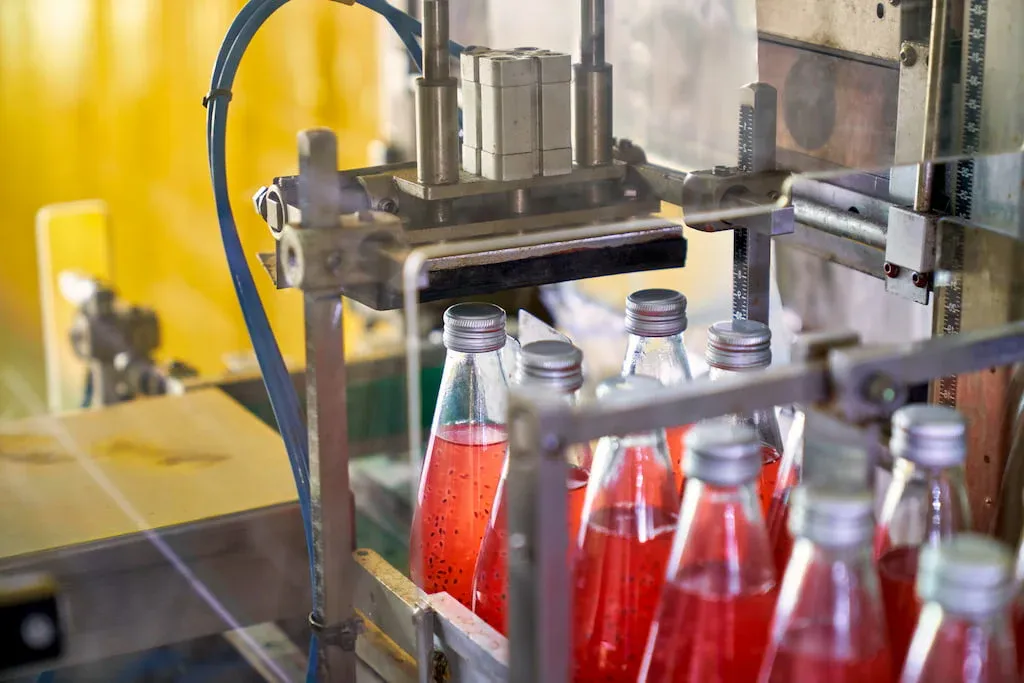
One primary role of the oil-free CO2 screw compressor is in the food and beverage industry. Here, it is used to supply high-quality CO2 for carbonation in drinks like soda or beer, as well as for food preservation and packaging. Since oil contamination could affect taste, safety, or shelf life, the oil-free design is essential to meet stringent regulatory standards.
In the pharmaceutical and chemical sectors, these compressors are vital for processes involving supercritical CO2, such as extracting compounds like caffeine from coffee beans or essential oils from plants. The oil-free operation ensures that the extracted substances remain pure and free of unwanted residues, which is crucial for medical or consumer-grade products.
With the development of society, environmental protection has become an important topic for people and the government to consider. In this way, the CO2 recovery system is being applied more. By getting compressed, it is more convenient for the transportation of CO2. Thus, the industrial CO2 compressor plays an important role. As a top carbon dioxide compressor manufacturer, EPG-CMN manufactures high-performance industrial CO2 compressors tailored to your needs.

Oil-Free Co2 Compressor Applications
Oil-free CO2 compressors are used in a variety of applications where purity, efficiency, and reliability are critical. Here are some key uses:
- Beverage Industry: These compressors are used to enrich CO2 levels in carbonated drinks like soda and sparkling water. Their oil-free design ensures no contamination, maintaining taste and safety standards for consumers, critical in high-volume production.
- Food Processing: In food preservation and packaging, oil-free CO2 compressors provide clean carbon dioxide for modified atmosphere packaging (MAP). This extends shelf life by inhibiting bacterial growth, ensuring food safety without risking oil residues in sensitive products.
- Pharmaceutical Extraction: They facilitate supercritical CO2 extraction, a method to isolate compounds like caffeine from coffee or active ingredients from herbs. Operating above 870 psi, the oil-free system guarantees purity, essential for pharmaceutical-grade products.
- Refrigeration Systems: As natural refrigerants in heat pumps, these compressors handle high-pressure CO2 (over 100 bar) without oil contamination. This supports eco-friendly cooling in commercial and industrial settings, aligning with sustainability goals.
- Energy Storage: In innovative energy solutions, oil-free CO2 compressors help store excess electrical energy by compressing CO2 for synthetic methane production. This gas, derived from biogas or electrolysis, integrates into natural gas networks, enhancing renewable energy utilization.
- Dry Ice Production: These compressors recover and pressurize volatilized CO2 from dry ice manufacturing for reuse. The oil-free feature ensures the dry ice remains pure, vital for applications in food transport and medical storage, reducing waste and costs.
 |
 |
| Beverage Industry | Food Industry |
Why Choose Our Industrial Co2 Screw Compressor?
1. Stability: EPG-CMN, a carbon dioxide compressor manufacturer, stands out by using a screw air end for compression, as opposed to traditional reciprocating compressors. The air end of the industrial CO2 compressor is crafted from food-grade 304 or 316L stainless steel, ensuring optimal performance in CO2 compression, as CO2 can become corrosive when exposed to water. All pipes getting touched with CO2 are made of stainless steel material to ensure stability.
2. Easy maintenance: EPG-CMN, a CO2 compressor manufacturer, supplies CO2 screw compressors that require only air and water filter changes for easy maintenance. This simple maintenance of the CO2 screw compressor routine ensures long-term reliability, reduces downtime, and keeps operations running smoothly.
3. Corrosion-Resistant Piping for Durability: All pipes in contact with CO2 are made from high-quality stainless steel, providing robust protection against corrosion. This design choice not only extends the lifespan of the compressor but also maintains system integrity, delivering stable performance over time.
4. Optimized for Food-Grade Applications: The use of food-grade stainless steel (304 or 316L) in the air end and piping makes this compressor ideal for industries requiring high purity, such as food and beverage. It ensures compliance with stringent safety standards while maintaining CO2 quality.
5. Efficient Screw Technology for Reliable Output: Unlike reciprocating compressors, the screw air end provides continuous, smooth compression, reducing wear and tear. This efficiency translates to a reliable CO2 supply, lower energy consumption, and a system that performs consistently under demanding industrial conditions.
6. Long-Term Reliability with Minimal Upkeep: The combination of durable materials and a simple maintenance routine—focused on filter replacements—ensures long-term reliability. This reduces overall operating costs, prevents unexpected failures, and keeps your production line operational with minimal intervention.

Additional information
| Edited by | Yjx |
|---|


 English
  Korean
  Chinese
  Japanese
  German
  Hindi
Hindi  French
  Italian
  Portuguese
  Russian
  Spanish
  Indonesian
  Dutch
Dutch  Arabic
  Turkish
  Polish
  Swedish
  Malay
Malay  Tamil
Tamil  Malayalam
  Norwegian
  Persian
  Ukrainian
  Vietnamese
  Urdu
Urdu  Kazakh