
The Innovative Technology Leader.

Hydrogen Compressor for Chemical and Petrochemical Industry
Relying on the low operating temperature of the air end, EPG-CMN, the hydrogen compressor manufacturers and suppliers, has developed a unique screw hydrogen compressor with a flow range of 5 to 59m3/min and a pressure range of 4 to 45bar. Since water is directly injected into the air end for compression, the operating temperature of the host will usually not be higher than 45 degrees Celsius, so safety can be guaranteed.
Relying on the low operating temperature of the air end, EPG-CMN, the hydrogen compressor manufacturers and suppliers, has developed a unique screw hydrogen compressor with a flow range of 5 to 59m3/min and a pressure range of 4 to 45bar. Since water is directly injected into the air end for compression, the operating temperature of the host will usually not be higher than 45 degrees Celsius, so safety can be guaranteed.
Hydrogen Compressor Technical Parameters
| Product Name: | screw hydrogen compressor |
| Features: | low operating temperature |
| Flow range: | 5 to 59m3/min |
| Pressure range | 4 to 45bar |
| Operating temperature | not be higher than 45 degrees Celsius |
| Applications: | Chemical and Petrochemical Industry, Oil and Gas Industry |
Advantages of Hydrogen Compressor for Chemical Industry
Hydrogen compressors play a vital role in the chemical industry, offering several advantages that enhance efficiency, safety, and productivity. Here are the key benefits:
- High-Pressure Supply for Reactions: Many chemical processes, such as ammonia synthesis (Haber-Bosch process) or hydrogenation reactions, require hydrogen at elevated pressures. Hydrogen compressors ensure a consistent and reliable supply of high-pressure hydrogen, enabling these reactions to occur efficiently.
- Improved Process Efficiency: By compressing hydrogen to the required pressure levels, these systems optimize reaction conditions, reducing energy waste and increasing yield. This is particularly valuable in large-scale chemical manufacturing where efficiency directly impacts profitability.
- Versatility: Hydrogen compressors can be tailored to various pressure ranges and flow rates, making them adaptable to diverse applications in the chemical industry, from petrochemical refining to specialty chemical production.
- Support for Clean Energy Transition: Hydrogen is increasingly used as a green feedstock or fuel in chemical processes. Compressors facilitate the handling and storage of hydrogen produced from renewable sources, aligning with sustainability goals and reducing reliance on fossil fuels.
- Enhanced Safety: Modern hydrogen compressors are designed with advanced safety features, such as leak detection and pressure regulation, minimizing risks associated with handling highly flammable gas like hydrogen in industrial settings.
- Compact Storage: Compressing hydrogen reduces its volume, allowing for more efficient storage and transportation. This is crucial in chemical plants where space optimization and supply are key considerations.

Screw Hydrogen Compressor Applications
Screw hydrogen compressors are specialized devices used to compress hydrogen gas by utilizing a rotary screw mechanism. These compressors are particularly valuable in applications requiring moderate to high volume flows and relatively low to medium pressure ranges, making them a versatile choice within the hydrogen economy. Below are some key applications where screw hydrogen compressors are commonly employed:
- Hydrogen Production: Screw compressors are often used in the initial stages of hydrogen production, such as during electrolysis or steam methane reforming (SMR). They compress hydrogen gas from low-pressure outputs (typically 20-30 bar) to higher pressures suitable for downstream processes, storage, or transport. Their ability to handle large volumes efficiently makes them ideal for boosting hydrogen pressure near production sites.
- Hydrogen Refueling Stations: In hydrogen refueling stations for fuel cell vehicles, screw compressors can be used to compress hydrogen to intermediate pressures (e.g., up to 30-80 bar) before it is further compressed by other technologies (like diaphragm or reciprocating compressors) to the high pressures required for vehicle dispensing (350-700 bar). Their reliability and capacity to manage intermittent operation suit the demands of refueling infrastructure.
- Pipeline Injection and Transport: Screw compressors are employed to inject hydrogen into pipelines, such as those envisioned for the European Hydrogen Backbone, where pressures of 30-80 bar are often needed. They are effective in early-stage hydrogen distribution networks and can serve as booster compressors to maintain pressure over long distances as networks expand.
- Industrial Processes: Many industries, such as petrochemicals, ammonia production, and refining, require compressed hydrogen as a feedstock or reducing agent. Screw compressors are used in these settings to deliver hydrogen at the necessary pressure and volume, particularly in low-to-medium pressure applications (up to 30 bar), where their economic benefits and compact design shine.
 |
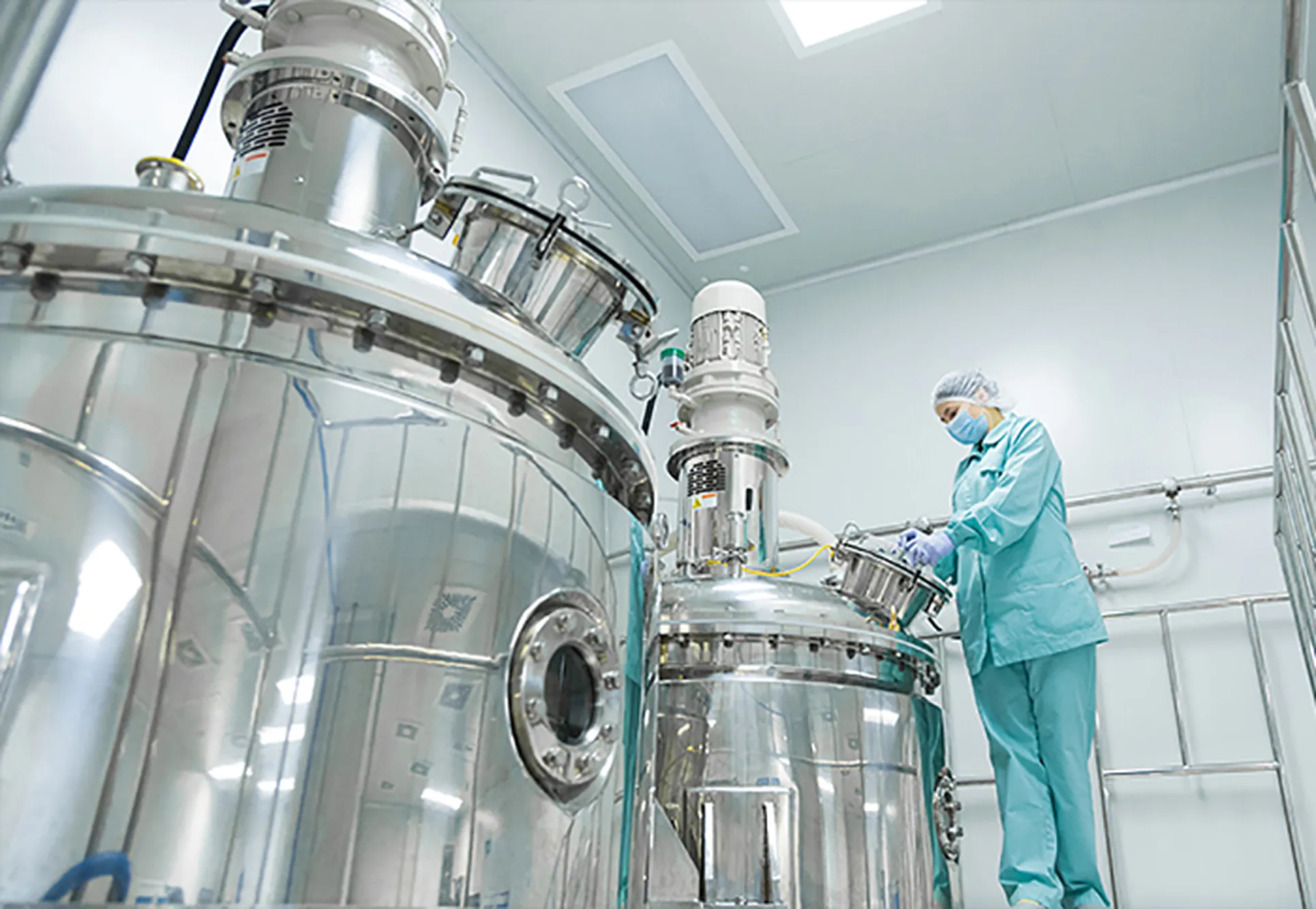 |
| Oil and Gas Industry | Chemical Industry |
How to Choose the Right Hydrogen Compressor for Your Need
Choosing the right hydrogen compressor depends on several factors tied to your specific application, operational requirements, and budget. Hydrogen compressors are critical for applications like hydrogen fueling stations, industrial processes, energy storage, and research, so getting the right fit is key. Here’s a breakdown of how to approach the decision:
1. Define Your Application
First, clarify what you’re using the compressor for. Are you compressing hydrogen for storage, transportation, fueling vehicles, or an industrial process like ammonia production? Each use case has different pressure, flow rate, and purity needs:
- Fueling stations: High pressure (350–700 bar) and fast flow rates are critical.
- Storage: Might need moderate pressure (100–200 bar) depending on tank design.
- Industrial use: Could vary widely—chemical processes might need lower pressures but high purity.
2. Determine Pressure Requirements
Hydrogen compressors come in a range of output pressures. Check the pressure your system demands:
- Low-pressure: Up to 50 bar (e.g., initial gas transfer).
- Medium-pressure: 50–250 bar (e.g., storage cylinders).
- High-pressure: 250–1000+ bar (e.g., vehicle refueling). Match the compressor’s capability to your target. Overshooting pressure wastes energy; undershooting won’t get the job done.
3. Assess Flow Rate (Capacity)
Flow rate, usually measured in Nm³/h (normal cubic meters per hour) or kg/h, tells you how much hydrogen the compressor can handle. Calculate your demand:
- Small-scale lab use might need <10 Nm³/h.
- A hydrogen refueling station might require 100–1000 Nm³/h. Pick a compressor that meets or slightly exceeds your peak flow to avoid bottlenecks.
4. Choose the Compressor Type
There are several types of hydrogen compressors, each with strengths:
- Diaphragm Compressors: Great for high purity and leak-free operation. Ideal for small-to-medium flows and high pressures (up to 1000 bar). Costly but reliable for hydrogen’s tricky properties (small molecule, flammable).
- Piston (Reciprocating) Compressors: High pressure (up to 800 bar) and good for medium-to-large flows. Durable but may need more maintenance and careful sealing to prevent leaks.
- Centrifugal Compressors: Best for large-scale, continuous operation with lower pressures (<100 bar). Efficient but not suited for ultra-high-pressure needs.
- Screw Compressors: Compact, good for medium pressure and flow. Less common for hydrogen due to sealing challenges.
- Ionic Liquid Compressors: Emerging tech—uses liquid pistons for high efficiency and purity. Still niche, so availability and cost might be issues.
Hydrogen’s low density and explosiveness mean leak prevention and material compatibility (e.g., avoiding embrittlement) are non-negotiable, so prioritize designs proven for H₂.
5. Check Purity Requirements
If your application (e.g., fuel cells) demands ultra-pure hydrogen (>99.97%), avoid oil-lubricated compressors unless they have robust filtration. Oil-free diaphragm or specially designed piston compressors are safer bets.
6. Consider Energy Efficiency
Compressors eat power, especially at high pressures. Look at the energy consumption (kW per Nm³/h) and match it to your budget and sustainability goals. Variable-speed drives or multi-stage compression can cut costs for large setups.

Additional information
| Edited by | Yjx |
|---|


 English
  Korean
  Chinese
  Japanese
  German
  Hindi
Hindi  French
  Italian
  Portuguese
  Russian
  Spanish
  Indonesian
  Dutch
Dutch  Arabic
  Turkish
  Polish
  Swedish
  Malay
Malay  Tamil
Tamil  Malayalam
  Norwegian
  Persian
  Ukrainian
  Vietnamese
  Urdu
Urdu  Kazakh