
Air Compressor for Hospital Use
Medical air compressors are primarily used for instruments and breathing, forming a part of the life support system and playing a crucial role. In operating rooms, pneumatic tools such as pneumatic saws, suspension systems, lifting towers, clean seal doors, and other medical auxiliary equipment require medical air compressors to provide clean and reliable compressed air.
The Importance of Medical Air Compressors for Hospital Use

Air Compressors for Hospital Use
In the modern medical environment, as one of the core components of medical equipment, the medical air compressor not only affects the smooth progress of medical procedures but its reliability and safety also directly relate to the life safety of patients.

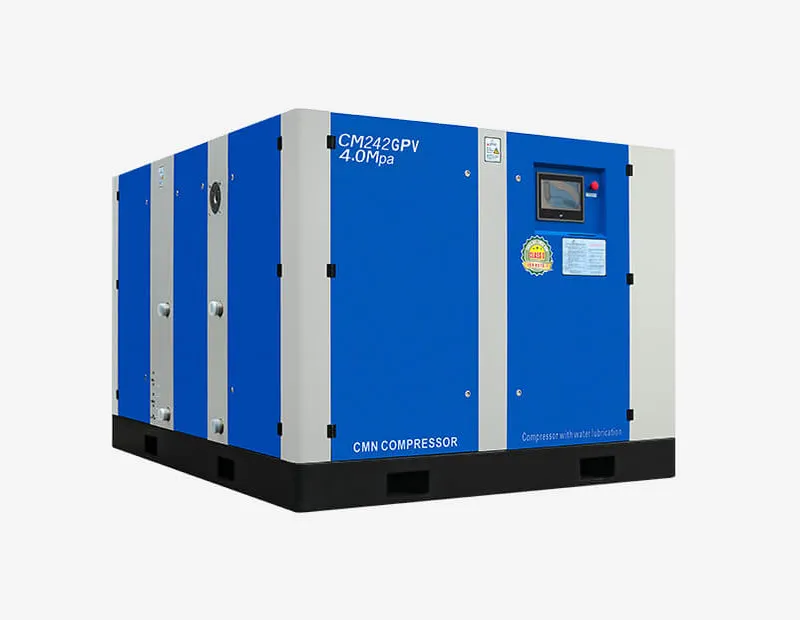
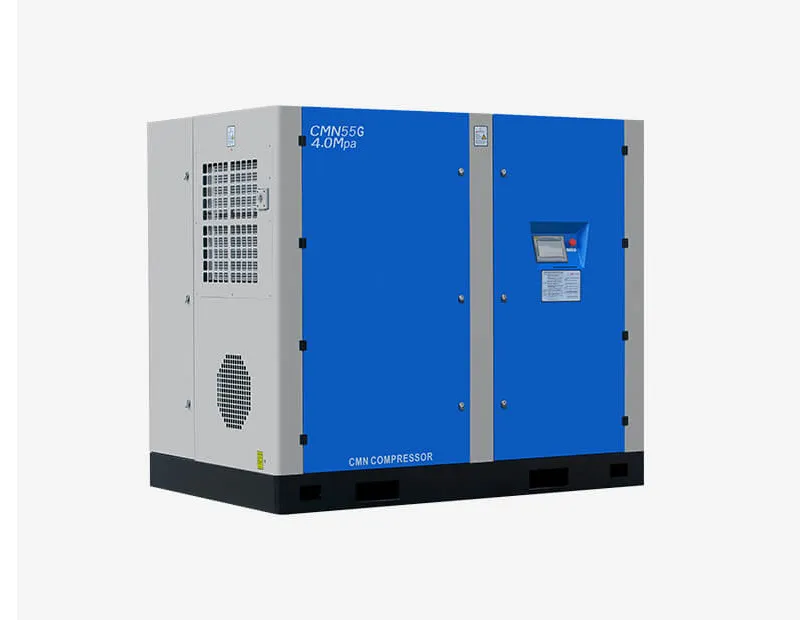
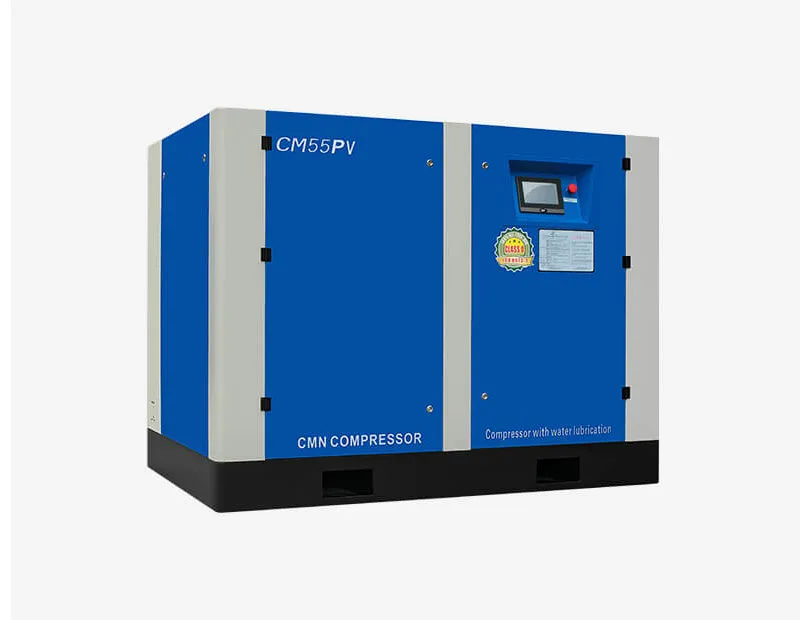
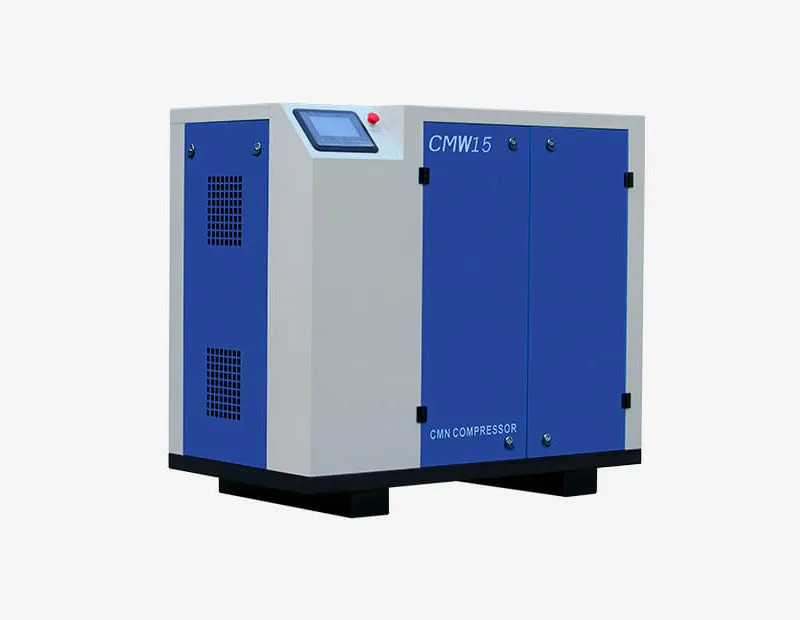
The Wide Application of Air Compressors in Medical Environments
Hospital gas applications are extensive and diverse, with medical air compressors for hospital use playing an irreplaceable role. Here are several major applications of medical air compressors in the medical environment:
-
Used in respiratory and anesthesia systems: Medical air compressors provide a stable source of air for ventilators and anesthesia machines, ensuring patients can receive sufficient oxygen supply during surgeries or treatments.
-
Used as a medium for aerosol therapy in patients with respiratory diseases: Aerosol therapy requires precisely controlled pressure and airflow, and medical air compressors provide a stable source of air, ensuring the effectiveness of the treatment.
-
Used for oxygen concentration regulation in incubators for premature infants and sporozoites: The oxygen concentration in incubators is vital for the survival of premature infants, and medical air compressors ensure the stability of oxygen concentration through precise control.
-
Used to power circulators and dental equipment units: Dental equipment such as dental chairs and circulators require a stable source of air to operate, and medical air compressors provide reliable power support for these devices.
-
Used to blow away dirt and drive dental air drills: In dental treatment, the high-pressure gas provided by medical air compressors is used to blow away dirt on the surface of teeth while driving air drills for precise treatment operations.
-
Used as the air source for oxygen concentrators and oxygen generation systems: Medical air compressors supply a stable source of air for oxygen concentrators, ensuring they can continuously and efficiently produce medical oxygen.
-
Used as the air source for various instruments, equipment drivers, cylinders, pneumatic tools, and medical devices: Medical air compressors provide power for various pneumatic tools and devices in hospitals, ensuring the smooth progress of medical procedures.
-
Compressed air for operating rooms: Compressed air for operating rooms is an important component of medical compressed air, mainly used for instruments and breathing. As part of the life support system, the industrial screw air compressor for medical has very high requirements for gas quality. Instrument air needs to drive pneumatic tools, suspension systems, lifting towers, etc., with strict requirements on impurities like water, oil, and dust in the compressed air; breathing air is directly supplied to patients, with even higher purity requirements.
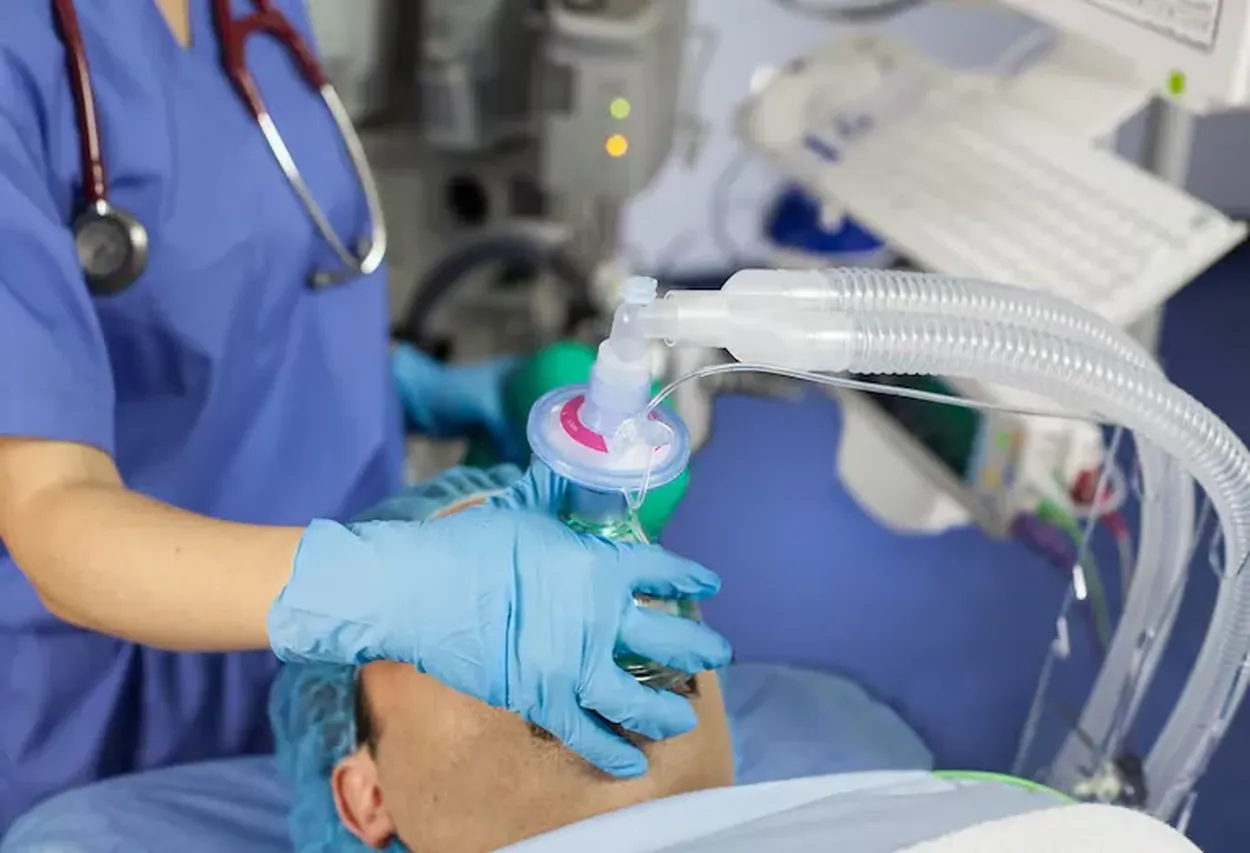
Respiratory and Anesthesia Systems
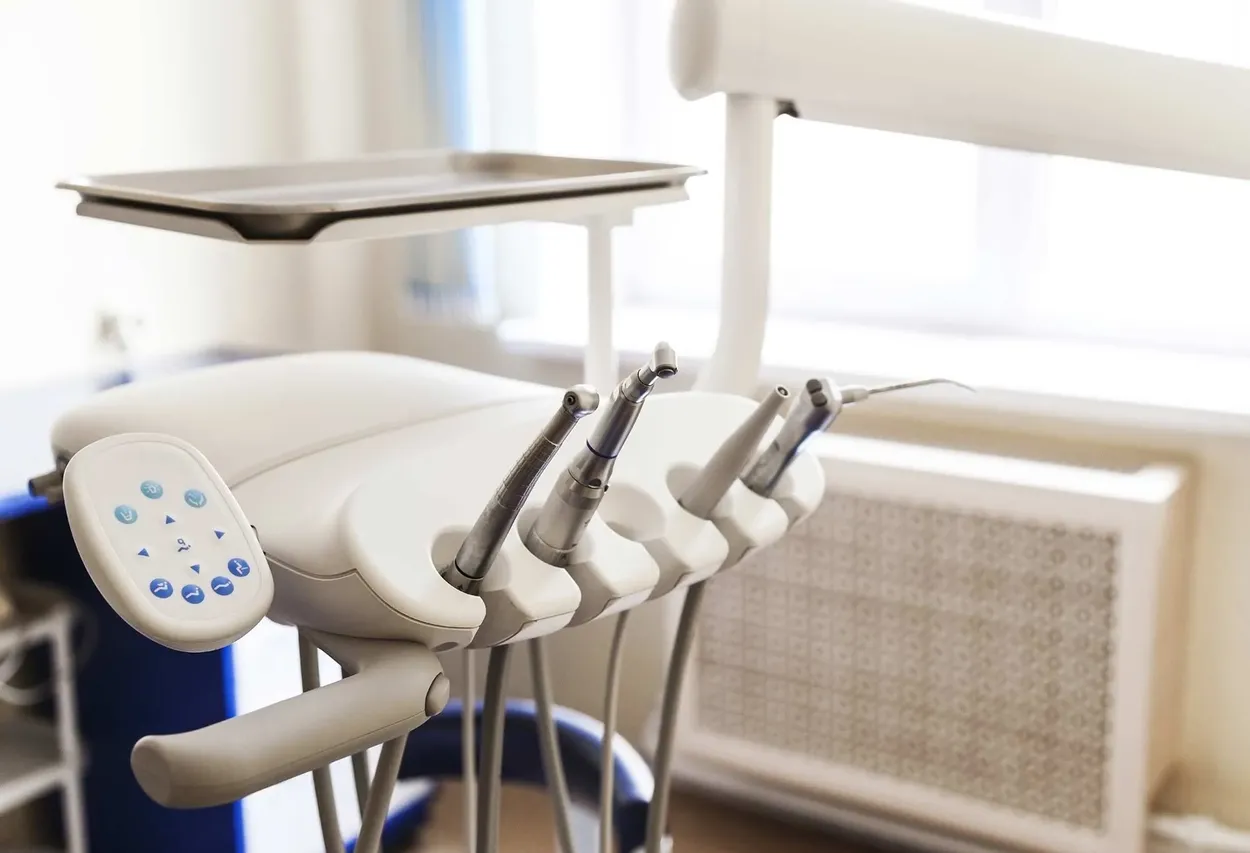
Circulation Machine and Dental Equipment

Medical Vacuum Systems

Disinfection and Cleaning Equipment
How to Choose the Right Air Compressors for Hospital Use
(1) Gas requirements: The first need to determine the hospital’s gas requirements, including compressed air and other gases (such as pure oxygen) demand. Determine the required gas flow and pressure requirements based on the size of the hospital, the number of equipment and usage.
(2) Compressed air quality: Hospitals have very high quality requirements for compressed air because it is directly applied to medical equipment and operating rooms. Air compressors should be able to provide clean, oil-free, water-free and sterile compressed air that meets medical standards. Therefore, when selecting an air compressor, it is necessary to ensure that it has the appropriate air treatment and filtration system.
(3) Noise and vibration levels: The hospital environment has high requirements for noise and vibration, so it is very important to choose an air compressor with low noise and low vibration. Ensure that the selected air compressor meets the noise and vibration limits of the hospital to avoid disruption and discomfort to patients and healthcare staff.
(4) Energy efficiency and energy saving: Considering the need for hospitals to run air compressors for long periods of time, selecting energy efficient and energy efficient equipment will help reduce energy consumption and operating costs. Understand the energy efficiency level and related energy-saving characteristics of air compressors, and choose the appropriate equipment to reduce energy waste.
(5) Reliability and maintenance: Choosing an air compressor with high reliability and easy maintenance can reduce equipment failure and downtime.

Our Oil Free Screw Air Compressor Advantages

High Purity Compressed Air

Reliability and Durability

High Efficiency and Energy Saving

Low Maintenance Costs
Reliability and Safety of Medical Air Compressors for Hospital Use

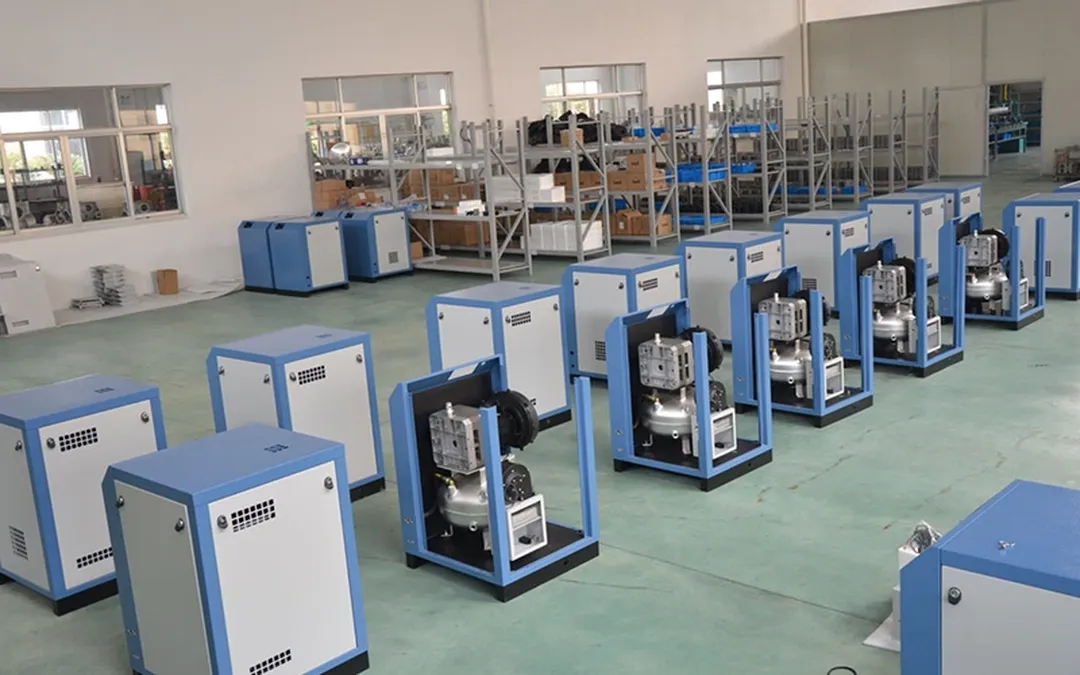
Reliability: EPG-CMN’s medical air compressors use high-quality materials and components and strict quality control processes to ensure the equipment maintains stable performance during long-term operation. We also provide regular maintenance services to extend the equipment’s lifespan and reduce the likelihood of failures.
Safety: Regarding safety, EPG-CMN’s medical air compressor for hospital use complys with strict international medical equipment standards. We employ multiple safety protection measures such as overload protection, pressure protection, and temperature protection, ensuring the equipment does not pose any safety hazards to the medical environment or patients during operation.
The importance of medical air compressors in the medical environment cannot be overstated. EPG-CMN is committed to providing high-quality medical air compressors, ensuring that our equipment can operate stably and safely in medical environments through advanced technology and strict quality control. Choosing EPG-CMN’s medical air compressor for hospital use means choosing the reliability and safety of the medical environment.
 English
  Korean
  Chinese
  Japanese
  German
  Hindi
Hindi  French
  Italian
  Portuguese
  Russian
  Spanish
  Indonesian
  Dutch
Dutch  Arabic
  Turkish
  Polish
  Swedish
  Malay
Malay  Tamil
Tamil  Malayalam
  Norwegian
  Persian
  Ukrainian
  Vietnamese
  Urdu
Urdu  Kazakh